Exploring the Intricate Rituals of an Advanced Local Ceremony in Rural Japan
Recent Trends
Across rural Japan, a growing number of communities are revitalizing traditional ceremonies by blending centuries-old practices with contemporary techniques. In several prefectures, local organizers have introduced digital documentation, subtle stage lighting, and curated public viewing areas without altering core ritual sequences. This shift aims to attract younger residents and regional tourists while preserving the ceremony’s spiritual essence.
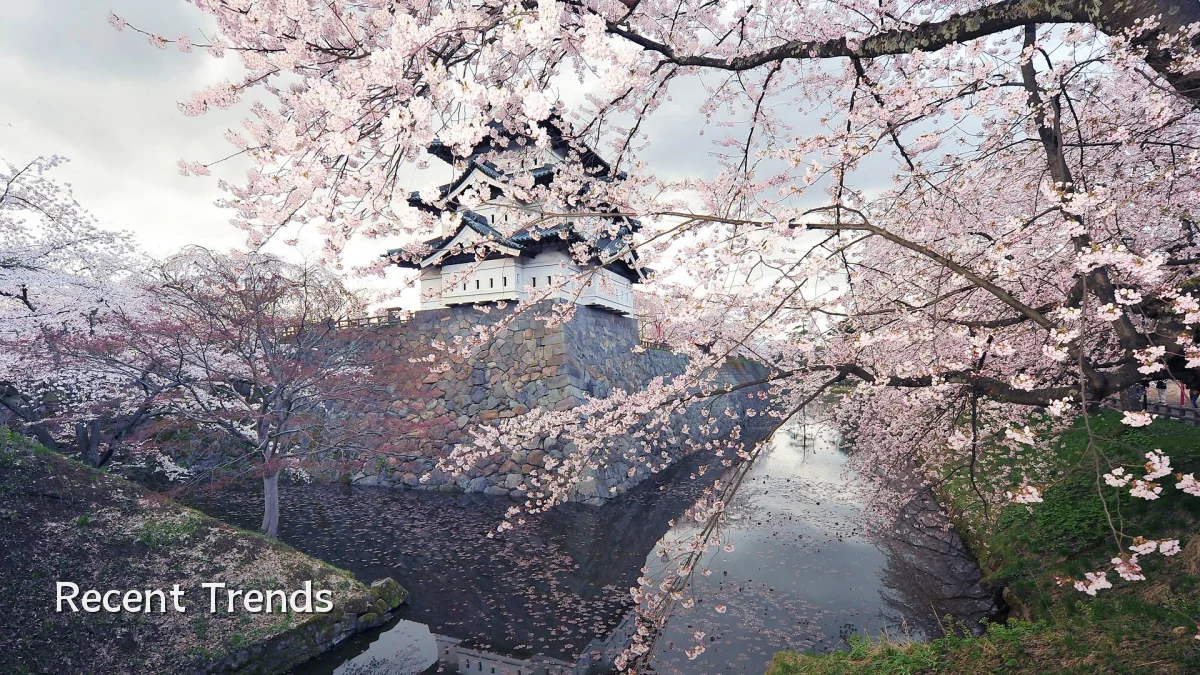
- Increased use of livestreaming for remote participation, especially during the pandemic recovery period.
- Collaboration with university cultural studies departments to archive and annotate ritual steps.
- Gradual adoption of eco-friendly materials for ceremonial tools and offerings.
Background
The ceremony in question is an annual event that has been maintained for several generations in a mountainous village. It involves a complex sequence of purification, masked procession, symbolic offerings, and communal prayer — each step governed by unwritten rules passed down through apprentice systems. The term “advanced” refers to the ceremony’s intricacy: performers must memorize dozens of coordinated movements, chants, and spatial arrangements that require years of practice. Unlike simpler local rites, this ceremony integrates multiple roles, handcrafted regalia, and precise timing tied to lunar phases. Villagers regard it as a living archive of local cosmology and social structure.

User Concerns
Participants and community leaders have voiced several recurring worries about the ceremony’s future and integrity:
- Authenticity vs. adaptation: Finding a balance between adding modern accessibility and retaining original ritual integrity.
- Declining participation: Many young adults leave for cities, reducing the pool of trained performers and support volunteers.
- Funding gaps: Annual costs for regalia maintenance, venue upkeep, and transport often exceed local budgets; external sponsorship may impose unwanted conditions.
- Over-tourism risk: Increased visitor numbers during the ceremony can conflict with its spiritual atmosphere and strain village infrastructure.
Likely Impact
If current trends continue, the ceremony is expected to influence both the local community and broader cultural preservation efforts:
- Economic stimulus: Nearby inns, restaurants, and craft sellers may see moderate seasonal revenue, helping offset depopulation trends.
- Cultural documentation: More detailed records (video, written commentaries, oral histories) will reduce the risk of total knowledge loss if participants dwindle.
- Policy attention: Prefectural governments may designate such ceremonies as intangible cultural properties, unlocking partial subsidies and legal protection.
- Community cohesion: Preparation for the ceremony can strengthen intergenerational bonds and give a shared purpose outside harvest cycles.
What to Watch Next
Observers and participants are monitoring several developments that could shape the ceremony’s evolution over the next few years:
- Training programs: Whether formal workshops for young locals and newcomers will be established to replace informal apprenticeship.
- Digital heritage archives: If and how the community will license or share its recorded material — balancing open access with cultural ownership.
- Scheduling changes: Potential adjustments to the date or duration to accommodate working participants without breaking ritual rules.
- Carbon neutrality initiatives: Possible shift to locally sourced, biodegradable ceremonial supplies amid environmental concerns.
- Government designation status: Any move by national or prefectural agencies to classify the ceremony as a “Important Intangible Folk Cultural Property” would bring both funding and regulatory oversight.